

Mantra Meditation
Awaken Inner Peace Through Sacred Sound & Breath Awareness
Mantra Meditation at Ukroots Retreat is a deeply calming, transformative practice grounded in ancient Himalayan wisdom. Through the repetition of sacred sounds—such as OM, So-Ham, or powerful seed mantras—the mind gradually shifts from scattered thoughts to a state of steady awareness. When paired with Prana Dhyan (breath-focused meditation), the practice becomes even more grounding, helping you reconnect with your inner stillness.
This meditation is especially helpful for those who struggle with overthinking, emotional turbulence, or difficulty staying focused. The rhythmic repetition of a mantra creates a gentle vibrational field within the body, allowing the mind to settle effortlessly.
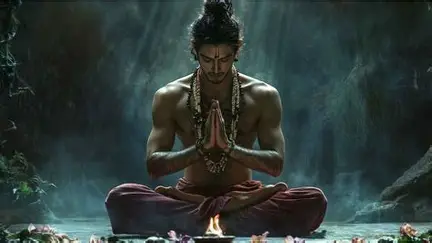
What Is Mantra Meditation (Naam Japa)?
Mantra Meditation, also known as Naam Japa, is a traditional yogic technique where a sacred sound is repeated either silently or aloud. Each mantra carries a specific vibration that influences the mind, energy centers, and emotional balance.
At Ukroots, our serene mountain surroundings amplify these vibrations, making the experience more immersive and healing.
Types of Mantra Meditation We Offer
We include a range of meditative sound practices, allowing guests to choose the method that resonates most:
● OM Chanting
The primordial sound that symbolizes universal consciousness. OM chanting harmonizes the mind, balances the breath, and promotes deep relaxation.
● So-Ham Meditation
A mantra synchronized with the natural rhythm of the breath. “So” on inhalation and “Ham” on exhalation creates a seamless meditative flow.
● Gayatri Mantra Meditation
A powerful Vedic mantra that invokes inner light, clarity, and wisdom. Ideal for those seeking spiritual upliftment.
● Beej (Seed) Mantra Healing
Short, potent sounds that activate specific chakras and energy centers. Beej mantras are known for emotional cleansing and energetic balance.
Prana Dhyan – Breath-Centered Meditation
Prana Dhyan focuses on observing the breath as a tool to enter silence. By watching the natural rise and fall of the breath, the nervous system calms down, and the mind becomes naturally still.
Combining Naam Japa with Prana Dhyan deepens concentration, enhances inner clarity, and strengthens emotional resilience.
Benefits of Mantra Meditation
A consistent mantra practice gently rewires the mind and builds emotional stability. Key benefits include:
✦Aligns the mind with positive, uplifting vibrations
✦Reduces anxiety, stress, and mental clutter
✦Enhances concentration and inner stillness
✦Supports spiritual growth and intuitive clarity
✦Balances emotional energy and improves mood
✦Helps quiet the inner critic and overthinking
Why Practice Mantra Meditation at Ukroots?
The natural Himalayan environment around Ukroots makes sound-based meditation incredibly powerful. The crisp mountain air, peaceful ambience, and secluded meditative spaces allow guests to dive deeper into the practice without distractions.
Whether you’re a beginner or seasoned practitioner, the guided sessions help you connect with your inner voice, calm your thought patterns, and rejuvenate from within.
Session Duration
20–40 minutes
A guided mantra meditation session designed to calm the mind, amplify positive vibrations, and deepen inner stillness.
Frequently Asked Questions (FAQs)
Do I need prior meditation experience to try mantra meditation?
▼
Not at all. This practice is beginner-friendly and easy to learn. Our instructors guide you through the pronunciation, rhythm, and breathing patterns.
How long does a typical session last?
▼
A standard session ranges from 20 to 40 minutes, depending on the mantra and the level of the practitioner.
Can I choose my own mantra?
▼
Yes. You can choose from traditional mantras like OM, So-Ham, Gayatri, or work with our instructor to find one that suits your intention.
What is the difference between mantra meditation and breath meditation?
▼
Mantra meditation uses sound vibration as the anchor, while Prana Dhyan uses the breath. At Ukroots, both are combined for deeper results.
Is chanting done silently or aloud?
▼
Both options are available. Beginners usually start with audible chanting, while advanced practitioners prefer silent repetition for deeper concentration.